Scaffolding is a critical component in construction projects, providing safe access and structural support during building work. One of the most common concerns for contractors and builders is understanding the cost of scaffolding.
Instead of fixed pricing, scaffolding cost varies based on multiple factors such as material, project size, and duration. In this guide, we explain everything you need to know.
The cost of scaffolding is not fixed and depends on several key factors:
👉 Every project has different needs, so pricing is usually customized.
In modern construction, different scaffolding components are used together to create a safe and stable structure. At BIEPPL Group, we manufacture and supply a wide range of high-quality scaffolding materials for both sale and rental, depending on project requirements.
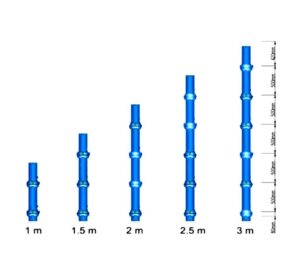
Vertical Standards are the primary load-bearing components in a scaffolding system. These are vertical pipes or tubes that transfer the entire load of the structure safely to the ground.
In modern construction, especially in cuplock scaffolding systems, vertical standards play a critical role in ensuring stability, strength, and safety across all types of projects.
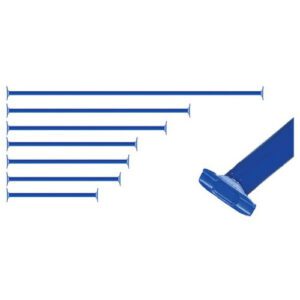
Horizontal Ledgers are critical connecting components in a scaffolding system that link vertical standards horizontally. They provide structural stability and create a rigid framework for platforms and working levels.
In systems like cuplock scaffolding, horizontal ledgers lock into vertical standards to form a strong and secure structure, ensuring safety and load distribution across the scaffold.
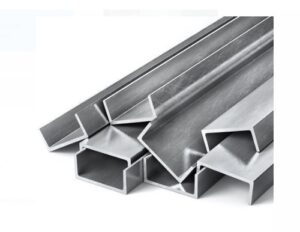
Channels are structural steel components commonly used in scaffolding and construction for providing support, alignment, and load distribution. They are typically U-shaped (also called C-channels) and are widely used in formwork systems, staging, and structural frameworks.
In scaffolding setups, channels are often used as support beams, platform bases, and reinforcement elements, ensuring stability and strength across the structure.
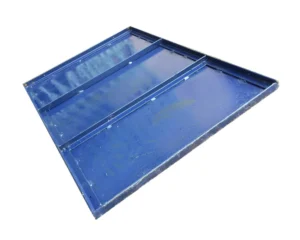
Shuttering Plates, also known as centering plates or formwork plates, are flat steel sheets used to support wet concrete until it gains sufficient strength. They form a temporary platform during slab casting, ensuring proper shape, alignment, and finish.
These plates are a core part of formwork and scaffolding systems, widely used in residential, commercial, and infrastructure projects across India.
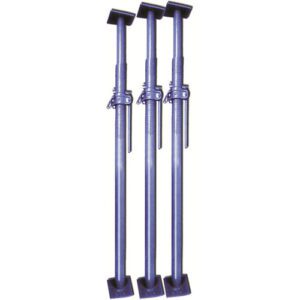
Telescopic Props, also known as Tele Props or Adjustable Props, are vertical support systems used in construction to hold formwork, slabs, beams, and temporary structures in place during concrete casting.
These props are adjustable in height, making them highly versatile and essential for modern construction projects where precision and load-bearing stability are critical.
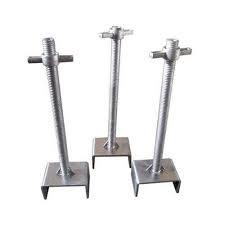
A U Head Jack, also known as a U Jack or Fork Head Jack, is a crucial component used in scaffolding and formwork systems to support beams, slabs, and shuttering plates during construction.
It is placed on top of vertical supports like telescopic props or scaffolding standards, providing a stable base for horizontal members such as beams or wooden battens.
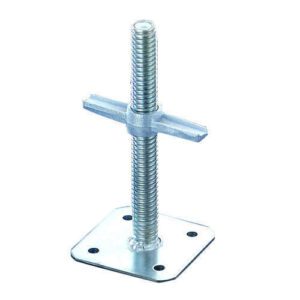
A Base Jack, also known as a Scaffolding Base Jack or Adjustable Base Plate, is a foundational component used at the bottom of scaffolding systems. It provides stable support, height adjustment, and load distribution for vertical standards and telescopic props.
Base jacks are essential for maintaining level alignment and safety, especially on uneven surfaces in construction projects.
Challis, commonly referred to as a bracing component in scaffolding, is used to provide lateral stability and structural rigidity to scaffolding systems. It connects vertical standards diagonally, preventing sway and ensuring the entire structure remains secure during construction activities.
In modern systems like cuplock scaffolding, challis plays a vital role in maintaining alignment, balance, and safety, especially in high-rise and heavy-duty applications.
👉 Safety should always be the top priority in any construction project.
Selecting a reliable scaffolding supplier is crucial for project success. Look for:
Scaffolding cost depends on your project requirements, and choosing the right system can improve both safety and efficiency.
👉 Looking for reliable scaffolding solutions?
Visit: https://biepplgroup.com/
📞 Contact us today for customized solutions and expert support.

Engineering strength. Building trust.